## How Glass Packaging With Frosted Surface Works
Glass packaging with frosted surfaces has become increasingly popular in various industries, including cosmetics, beverages, and pharmaceuticals. The unique aesthetic and functional characteristics of frosted glass make it an appealing choice for brands looking to elevate their product presentation while ensuring protection and usability.
The process of creating glass packaging with a frosted surface begins with standard glass manufacturing. Raw materials, including silica, soda ash, and limestone, are combined and heated in a furnace to produce molten glass. Once the glass reaches the desired temperature and consistency, it can be molded into various shapes, such as bottles or jars. This flexible mold can yield custom designs, offering brands the opportunity to differentiate their products in the marketplace.
The frosted appearance is achieved through various techniques, most commonly through sandblasting or acid etching. Sandblasting involves propelling fine particles of sand at high velocity against the glass surface. This process creates micro-abrasions that scatter light, resulting in a frosted effect. In contrast, acid etching uses a chemical solution to selectively remove layers of the glass surface, producing a uniform frosted finish. Both techniques not only enhance the aesthetic allure of the packaging but also provide a tactile experience, making it easier for consumers to grip the containers.
Advanced technology plays a crucial role in the efficient production of frosted glass packaging. Automated machinery and robotics enable high-speed production, ensuring consistency in quality and reducing waste. Technologies such as computer-aided design (CAD) and 3D modeling are employed in the initial design phases, enabling precision in creating complex shapes and frost patterns that can cater to varying brand requirements. Furthermore, incorporating smart sensors within the production line allows for real-time monitoring and adjustments, leading to increased productivity and lower operational costs.
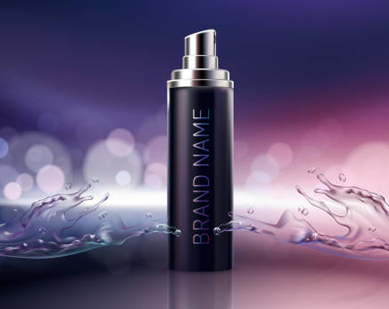
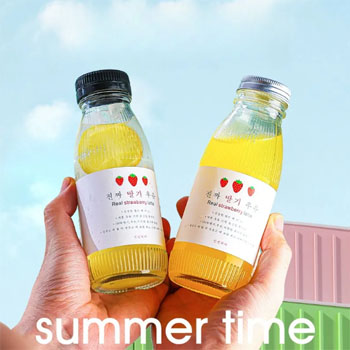
The application of glass packaging with a frosted surface is found in numerous sectors. For instance, premium cosmetics brands utilize this packaging for serums and lotions, enhancing the perceived value of their products. The frosted finish not only prevents fingerprints and smudges but also reduces light transmission, thus preserving product integrity. In the beverage industry, brands such as craft breweries use frosted glass to convey a sense of quality and artisanal craftsmanship.
In conclusion, the technology behind glass packaging with frosted surfaces combines innovative manufacturing processes with advanced automation, resulting in both functional and aesthetically pleasing products. As consumer preferences continue to evolve, the importance of sophisticated glass packaging solutions becomes evident. For businesses looking for reliable suppliers in this domain, please contact us to explore the options available.


 Custom Glass Packaging Wholesale